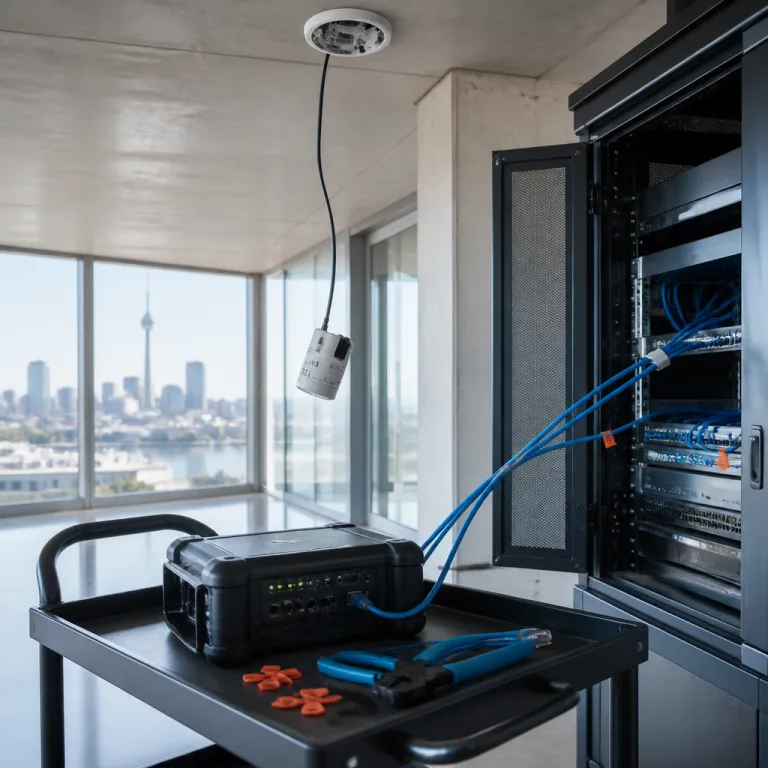
Why remote equipment monitoring matters for New Zealand office managers
Remote equipment monitoring has moved from factory floors into everyday offices. For New Zealand office managers, this shift means that monitoring of printers, HVAC equipment, security systems, and backup power can now happen in real time from a single dashboard. That change turns what used to be reactive maintenance into a proactive management system that protects productivity.
Across mixed commercial and light industrial buildings, remote monitoring now links office equipment with industrial remote assets such as chillers, compressors, and building management systems. Each monitoring system collects granular data points on temperature, vibration, energy use, and utilisation time, then sends this information through secure networks to cloud platforms. With that data, office managers can see potential issues before they disrupt operations or cause costly downtime during peak production or service periods.
New Zealand companies often run hybrid sites where office operations sit beside light manufacturing or warehousing. In these environments, remote equipment monitoring solutions bridge the gap between administrative processes and monitoring industrial assets such as conveyors, forklifts, and loading dock equipment. The same monitoring systems that protect industrial equipment can also track office UPS units, meeting room AV systems, and network devices, giving one coherent view of operational efficiency and cost savings opportunities. For example, a Wellington-based logistics firm using a local monitoring provider to track both warehouse conveyors and office network gear cut unplanned outages in its customer service centre after identifying power quality issues that previously went unnoticed, as documented in an internal 2023 facilities review shared with its board.
From clipboards to iot dashboards in New Zealand workplaces
Many New Zealand offices still rely on manual checks for critical equipment such as air conditioning, access control, and backup generators. Remote monitoring replaces those clipboards with iot dashboards that show real time status for every connected iot device across the building. Instead of waiting for a complaint about a hot meeting room or a failed printer, the monitoring system alerts your team before service quality drops.
In practice, this means that data from sensors on HVAC equipment, server room racks, and industrial remote plant is streamed into monitoring solutions that prioritise alerts by risk and impact. Office managers can then coordinate maintenance service with external providers, using predictive maintenance insights to schedule work outside core office time and reduce downtime for staff. When combined with document automation platforms that can survive a compliance audit, such as those described in this practical New Zealand stack for document automation, the same data can automatically trigger work orders, update asset management records, and log compliance evidence.
For multi site organisations, remote equipment monitoring systems standardise processes across branches in Auckland, Wellington, Christchurch, and regional centres. A central monitoring service can oversee equipment monitoring for printers, scanners, and industrial equipment in satellite offices, while local teams handle on site tasks guided by clear data points. This structure improves operational efficiency, supports consistent maintenance standards, and gives leadership a real time view of energy use, production support systems, and potential issues across the entire network. New Zealand vendors such as Schneider Electric New Zealand and Honeywell Building Technologies have published local case notes showing similar benefits for mixed office and warehouse portfolios.
Designing a monitoring strategy that fits New Zealand’s mixed office and industrial sites
New Zealand companies often operate in converted warehouses or mixed use business parks where office and industrial operations share the same systems. A robust remote equipment monitoring strategy must therefore cover both office equipment and monitoring industrial assets such as compressors, pumps, and small manufacturing lines. The goal is one integrated monitoring system that respects safety rules while still giving office managers the visibility they need.
Start by mapping all equipment that affects office productivity, from network switches and printers to industrial remote plant that feeds building services such as chilled water or compressed air. For each asset, define the key data points you need for effective management, such as energy consumption, run time, error codes, and environmental conditions. Then work with IT and facilities teams to select monitoring solutions and iot device platforms that support secure device management, strong authentication, and clear separation between office networks and production systems.
As you design this monitoring architecture, think about how remote monitoring data will flow into existing management systems such as CAFM tools, ticketing platforms, and finance software. Modern monitoring systems can push real time alerts into collaboration tools, while monitoring service providers can offer dashboards tailored for office managers rather than engineers. For broader office operations automation, resources on an agentic AI stack for office operations show how monitoring data can feed workflows that run without constant human intervention, while still flagging potential issues that require a person to make the final decision.
Turning monitoring data into maintenance, cost savings, and energy gains
Collecting data is only the first step; the real value of remote equipment monitoring comes from turning that information into better maintenance and lower energy costs. For office managers, this means using monitoring systems to shift from reactive repairs to predictive maintenance that is scheduled before failures occur. When monitoring industrial assets that support offices, such as boilers or air handling units, predictive maintenance can reduce downtime that would otherwise disrupt staff and clients.
By analysing data points from iot devices across equipment fleets, New Zealand companies can identify patterns that signal potential issues such as bearing wear, filter blockages, or abnormal energy use. These insights allow maintenance teams and external service partners to plan interventions at the right time, avoiding both premature part replacement and catastrophic failure. Over a full budget cycle, this approach typically delivers measurable cost savings through reduced emergency call outs, better asset management, and extended equipment life, while also supporting sustainability targets through lower energy consumption.
Remote equipment monitoring also supports more accurate budgeting and capital planning for office and light manufacturing environments. Real time monitoring solutions show which systems are nearing end of life, which equipment is under utilised, and where operations are constrained by ageing assets. When combined with labour market insights about a tighter talent pool for technical roles, as discussed in this analysis of unemployment and hiring in New Zealand, office managers can justify investments in automation, monitoring service contracts, and training that reduce reliance on scarce specialist technicians.
Managing risk, compliance, and service levels with remote monitoring
For New Zealand office managers, risk management now extends well beyond fire drills and access cards. Remote equipment monitoring strengthens resilience by providing continuous visibility of critical systems such as power, cooling, security, and industrial support plant that underpins office operations. When monitoring systems detect anomalies in real time, your team can act before a minor fault becomes a business continuity incident.
Compliance expectations are also rising, especially in sectors that share infrastructure with oil and gas, food manufacturing, or healthcare. In mixed industrial and office sites, remote monitoring of equipment that handles hazardous materials or controlled environments provides auditable data for regulators and insurers. Monitoring industrial assets with a structured monitoring system and clear device management policies helps prove that maintenance, testing, and safety checks happened on time, with data points stored securely for the required retention period.
Service level management benefits as well, because monitoring solutions give objective evidence of system performance over time. Office managers can use monitoring data to hold external service providers accountable for response times, uptime guarantees, and energy performance commitments. When remote monitoring shows repeated potential issues on the same equipment, you can renegotiate contracts, adjust maintenance strategies, or escalate to manufacturers, all backed by real data rather than anecdotal complaints.
Practical steps to implement remote equipment monitoring in your office
Implementing remote equipment monitoring in a New Zealand office does not require a full industrial overhaul. Start with a focused pilot that targets a small set of critical systems such as server room cooling, main printers, and any industrial remote plant that directly affects staff comfort. Choose monitoring solutions that integrate easily with existing systems and that offer clear dashboards suitable for non technical office managers.
Next, define roles and processes so that monitoring systems translate into real action rather than ignored alerts. Decide who in your team receives which notifications, what thresholds trigger a ticket, and how monitoring service providers will escalate urgent issues outside normal office time. Document these processes in your operations manuals and align them with broader digital workflows, including any AI driven office operations tools that already automate routine tasks.
Finally, treat remote equipment monitoring as an ongoing management discipline rather than a one off project. Review monitoring data regularly to track operational efficiency, energy trends, and recurring potential issues across both office and light manufacturing areas. As your organisation matures, expand equipment monitoring to more assets, refine predictive maintenance rules, and use insights from monitoring industrial systems to support strategic decisions about space planning, production support, and long term cost savings. A simple implementation checklist for New Zealand offices includes: confirm business goals and target systems, select a secure monitoring platform, connect a small pilot set of assets, define alert rules and responsibilities, integrate with ticketing or maintenance tools, train office staff on dashboards, and review results after three to six months before scaling up. At that point, many New Zealand organisations choose to formalise service level agreements with a local monitoring partner to sustain momentum.
Key statistics on remote equipment monitoring and office operations
- Global spending on industrial iot and remote monitoring platforms exceeded 260 billion US dollars in 2022 according to IDC’s Worldwide Internet of Things Spending Guide (2022 edition), reflecting rapid adoption across both manufacturing and commercial buildings.
- Studies from McKinsey & Company (for example, “The Internet of Things: Mapping the value beyond the hype”, 2015) have shown that predictive maintenance enabled by remote equipment monitoring can reduce downtime by 30 to 50 percent while lowering maintenance costs by 10 to 40 percent compared with purely reactive approaches.
- Research by the International Energy Agency, including the IEA “Digitalization and Energy” report (2017), indicates that better monitoring and control of building systems can cut energy consumption in commercial properties by up to 20 percent, which directly improves operating margins for New Zealand offices.
- Surveys of facilities managers in Asia Pacific conducted by JLL, such as the “Future of Work” and “Asia Pacific Facilities Management” reports (2021–2022), report that more than half now prioritise real time monitoring systems for HVAC and critical power, signalling a regional shift toward data driven asset management.
FAQ about remote equipment monitoring for New Zealand offices
How does remote equipment monitoring work in a typical office building ?
Remote equipment monitoring uses sensors and iot devices attached to equipment such as HVAC units, printers, UPS systems, and industrial support plant to collect data on performance and status. That data is sent over secure networks to a central monitoring system, where software analyses it in real time and triggers alerts when readings move outside defined thresholds. Office managers access dashboards or mobile apps to see current conditions, review history, and coordinate maintenance actions.
What types of office equipment benefit most from remote monitoring ?
The highest impact usually comes from monitoring systems that support business continuity, such as power, cooling, and network infrastructure. In many New Zealand offices, this includes server room air conditioning, main switchboards, backup generators, and critical printers or scanners that handle production workflows. Where offices share sites with light manufacturing or warehousing, remote monitoring of industrial equipment such as compressors, pumps, and conveyors also protects office operations.
Is remote equipment monitoring expensive to implement for a small office ?
Costs have fallen significantly as iot device prices and cloud monitoring service fees have decreased. Small offices can start with low cost sensors and subscription based monitoring solutions focused on a few critical assets, then scale up as cost savings and reduced downtime are proven. The key is to choose a system with flexible device management and clear pricing so that the total cost remains aligned with your operational efficiency gains.
How does remote monitoring improve maintenance planning and asset management ?
Continuous monitoring generates detailed data points on run time, load, and fault patterns for each asset, which supports predictive maintenance instead of calendar based servicing. Maintenance teams can schedule interventions when data shows early signs of wear, avoiding both unnecessary work and unexpected failures. Over time, this improves asset management decisions about repair versus replacement and helps justify investments that reduce downtime and energy use.
What security considerations should New Zealand offices address when deploying monitoring systems ?
Security starts with segmenting networks so that monitoring industrial devices and office equipment does not expose core business systems to unnecessary risk. Office managers should work with IT to enforce strong authentication, encrypted communications, and regular firmware updates for every iot device connected to the monitoring system. Vendor due diligence, clear access controls, and regular reviews of monitoring service logs are also essential to maintain trust and compliance.