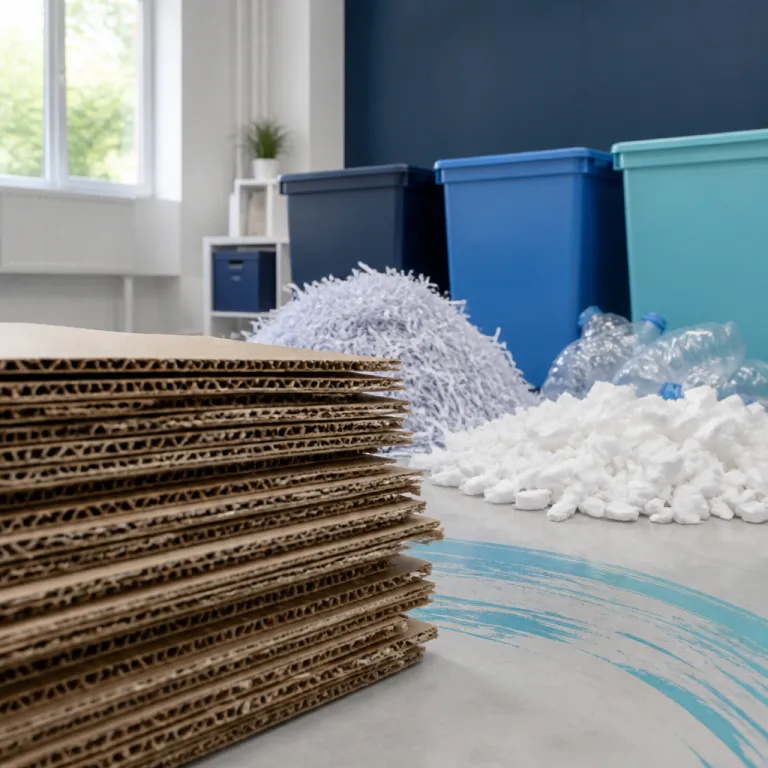
Why a one week office waste audit NZ is a management tool, not a green stunt
An office waste audit NZ is first a governance exercise, not a feel good poster. When you treat the audit process as seriously as a payroll review, you turn vague sustainability talk into hard data that will help you renegotiate contracts and redesign workflows. In most New Zealand business environments, especially in Wellington and Auckland, the quantity waste you send to landfill is simply unmeasured operational spend hiding in plain sight.
Office managers across Aotearoa sit at the junction of facilities, procurement and people management. That position means you can run waste audits without external consultants, using your existing équipe and simple recycling bins as measurement tools that will help you map every type waste generated in your building. When you frame the exercise as a one week pilot, with clear terms and conditions agreed with your cleaning service and waste management provider, you reduce resistance and keep the focus on practical areas improvement.
Pressure is rising from clients, employees and regulators across Zealand for credible sustainability reporting. A 2023 Colmar Brunton Better Futures survey, for example, reported that more than 60 percent of New Zealanders expect businesses to show measurable environmental progress, which aligns directly with a structured waste audit that produces actionable data on waste generation and waste reduction opportunities. When you can read a simple dashboard showing kilograms per person per week, broken down by audits waste categories, you finally have something solid to take into a CFO meeting.
There is also a cultural dimension that New Zealand offices cannot ignore. Many organisations reference te ao Māori values in their CSR statements, yet their day to day waste management still treats resource recovery as an afterthought rather than a responsibility to whenua. A disciplined office waste audit NZ helps align those Māori inspired values with actual practice, turning sustainability from a poster in reception into a weekly operational habit.
Designing a one week waste audit that your team will actually follow
The most effective office waste audits run for five working days, long enough to capture normal activity but short enough to keep engagement high. Start by defining clear categories for every type waste you expect to see, such as paper and cardboard, mixed recycling, food organics, e waste, soft plastic packaging and general landfill, then label separate containers in each zone of the building. Your goal is not laboratory precision but consistent sorting so that the audit waste data is credible when you present it to management.
Place collection points where waste generation actually happens, not just in the kitchen. That usually means printers, meeting rooms, reception, hot desk areas and any light manufacturing or packing zones that your business operates inside the office footprint, because these are the areas improvement that quietly drive both cost and emissions. In Wellington high rise offices, for example, one extra recycling station near the lift lobby can halve the quantity waste left in general bins on each floor.
Agree in writing with your cleaning service and waste management vendor how the audit process will run. Clarify terms and conditions such as who will weigh each bag, how often, and where the data will be stored, because this prevents disputes later when you use the results to push for waste minimisation or contract changes. If your current provider cannot support basic waste audits or refuses to share data, that is already a strong signal for procurement to visit alternative suppliers with better resource recovery reporting.
To keep the exercise grounded in cost, link every kilogram of waste to a dollar figure. Use your existing invoices to estimate the cost per litre or kilogram for each waste stream, then build a simple spreadsheet that will help you translate the main content of the audit into a projected annual saving scenario. A basic template might include columns for date, building zone, waste stream, kilograms, cost per kilogram, total cost, contamination notes and follow up actions, with a simple formula such as =Kilograms*Cost_per_kg to calculate spend. When you present this to leadership, pair it with a short reference to sustainable office ROI arguments, such as those outlined in this analysis of sustainable office ROI that survives the CFO meeting, so the financial logic is impossible to ignore.
| Column | Example entry |
|---|---|
| Date | 12 September |
| Building zone | Level 5 – Wellington office |
| Waste stream | Mixed recycling |
| Kilograms | 18.4 |
| Cost per kg | $0.22 |
| Total cost | =Kilograms*Cost_per_kg |
What good looks like for a 50 person New Zealand office
Once your office waste audit NZ is complete, you need benchmarks to interpret the numbers. For a typical 50 person office in Wellington or Christchurch with standard desk based activity, many facilities managers aim for total waste generation below roughly 2 to 3 kilograms per person per week, with at least half of that going to recycling or compost rather than landfill. These figures are broadly consistent with ranges reported in local council waste audits and Toitū style carbon reporting for office based organisations, which gives you a defensible starting point for internal targets.
Look closely at the split between general waste and recoverable streams such as paper, organics and e waste. A high proportion of mixed landfill usually signals either poor bin placement or confusing signage, both of which an office manager can fix quickly without waiting for a new service contract or a board level sustainability strategy. When you read the data by zone, you often find that one or two teams generate most of the waste, which lets you run targeted audits waste follow ups instead of broad, unfocused campaigns.
New Zealand specific frameworks such as Toitū Envirocare provide structured pathways for carbon and sustainability certification. While you may not pursue full certification immediately, aligning your internal waste audits with their categories and language makes future reporting far easier and strengthens your CSR narrative with clients who already recognise those standards. For offices with strong Māori partnerships or kaupapa, linking waste minimisation to kaitiakitanga in staff communications can turn a dry audit process into something that feels culturally grounded and relevant.
Benchmarking is also about learning from other operational domains. If your organisation already runs disciplined information governance or EMR and EHR retention programmes, you can borrow that same mindset of classification, retention rules and periodic review for physical waste management, and this article on building a sustainable retention strategy shows how structured thinking reduces long term risk. The pattern is identical, because you cannot manage what you do not measure, whether the asset is patient records, toner cartridges or food scraps from the staff kitchen.
From audit data to procurement decisions, supplier swaps and staff engagement
The real value of an office waste audit NZ appears when you translate raw data into procurement and behaviour changes. If your audit process shows that a large quantity waste comes from single use packaging on courier deliveries, you have a direct brief for your procurement and logistics teams to renegotiate with suppliers or consolidate orders, which is classic waste reduction through smarter management. When you can say that one vendor alone generates 30 percent of your weekly packaging waste, the business case for a supplier swap almost writes itself.
Quick wins usually sit in three domains, which are packaging, food and e waste. For packaging, work with your waste management provider to expand recycling options and with your main couriers to reduce filler materials, while for food you can introduce composting and smaller plate sizes at catered events, and for e waste you can schedule quarterly collection days with certified recyclers in Aotearoa. These changes will help you move material from landfill to resource recovery streams, often without increasing overall service costs.
Staff engagement is where office managers in Zealand can turn a dry audit into a culture shift. Share simple before and after visuals in the kitchen, run a short lunchtime session to read through the results, and invite teams to visit the bin stations to see how their behaviour shapes the data, because visibility is what turns sustainability from a policy into a habit. When people understand that waste minimisation is not an abstract CSR goal but a direct lever on office comfort, cleaning schedules and even coffee quality, participation rises sharply.
Governance matters here as well, especially around how you communicate expectations and collect feedback. If your organisation already uses structured consent processes in other areas, such as the approach outlined in this guide to social media consent forms in New Zealand companies, you can mirror that clarity when explaining new recycling rules or changes to waste services. The same respect for staff agency that underpins good HR and IT policies should also shape how you roll out new bins, signage and reporting cycles.
Embedding waste audits into CSR, Māori values and everyday office routines
Running a one off office waste audit NZ is useful, but embedding regular waste audits into your CSR calendar is where the real shift happens. Many New Zealand offices choose a specific month such as September for an annual deep dive, then run lighter quarterly checks to keep the data current and the conversation alive. Treat these audits as you would any other recurring management review, with clear owners, timelines and follow up actions.
For organisations that reference te ao Māori or partner with iwi, waste management is a tangible way to honour those commitments. Concepts such as kaitiakitanga and manaakitanga translate directly into how you treat the physical environment of your building, from resource recovery systems to the cleanliness of shared spaces, and staff will notice whether those values show up in the bins or only in the annual report. When your CSR report highlights waste minimisation achievements backed by solid audit data, it carries more weight with both Māori and non Māori stakeholders.
Operationally, the office manager is the custodian of this system. You are the one who can skip main excuses about time and instead integrate small audit tasks into existing routines, such as asking cleaners to log bag weights or reception to contact vendors when contamination spikes, because these are marginal additions to workflows rather than new projects. Over time, the main content of your waste audits becomes just another dashboard alongside health and safety, payroll accuracy and IT uptime.
As external expectations tighten across Aotearoa, from client procurement questionnaires to government reporting frameworks, offices that already run disciplined waste audits will be better positioned to respond. They will have years of comparable data, clear evidence of areas improvement and a track record of acting on audit findings, which is exactly what sophisticated customers look for when assessing sustainability claims. In the end, the credibility of your CSR story will be judged not by the policy PDF, but by the Monday morning queue at reception waiting to use the new e waste collection point.
FAQ
How long should an office waste audit run in a typical New Zealand business ?
For most New Zealand offices, a one week audit is enough to capture normal waste generation patterns without overwhelming staff. Five working days provide a representative sample across meetings, catering and courier deliveries, which lets you calculate kilograms per person per week with reasonable accuracy. Longer audits can be useful for very seasonal operations, but most office managers find that repeating a short audit quarterly gives better insights than one long exercise.
What categories should we use when sorting waste during the audit process ?
At minimum, separate paper and cardboard, mixed recycling, food organics, e waste, soft plastics and general landfill. Some offices in Wellington and other parts of Aotearoa add glass, metals or confidential paper as extra streams, depending on their waste management service and security needs. The key is to keep categories simple enough that staff can follow them consistently, because consistent sorting matters more than perfect granularity.
Do we need a specialist consultant to run waste audits in our building ?
Most small and medium New Zealand offices can run basic waste audits using internal staff and existing bins. Your cleaning contractor or waste management provider can often supply scales, labels and simple templates, while the office manager coordinates the schedule and data collection. External consultants become useful when you are pursuing formal certifications such as Toitū Envirocare or designing complex resource recovery systems for multi site operations.
How do we present waste audit results to senior management so they take action ?
Translate the audit data into cost and risk language that leaders already understand. Show total kilograms per person per week, the split between landfill and recoverable streams, and a simple estimate of annual savings from specific waste reduction measures such as supplier changes or composting. Pair the numbers with two or three concrete procurement recommendations and a timeline, so the decision is framed as a straightforward business case rather than an abstract sustainability request.
How often should we repeat office waste audits to support our CSR commitments ?
Many New Zealand businesses run a full waste audit once a year, often aligned with their CSR or annual reporting cycle, then lighter spot checks each quarter. This rhythm provides enough data to track trends and demonstrate continuous improvement without overloading staff or disrupting operations. The important part is to schedule audits in advance, assign clear owners and always link findings to specific follow up actions.